 Filet crochet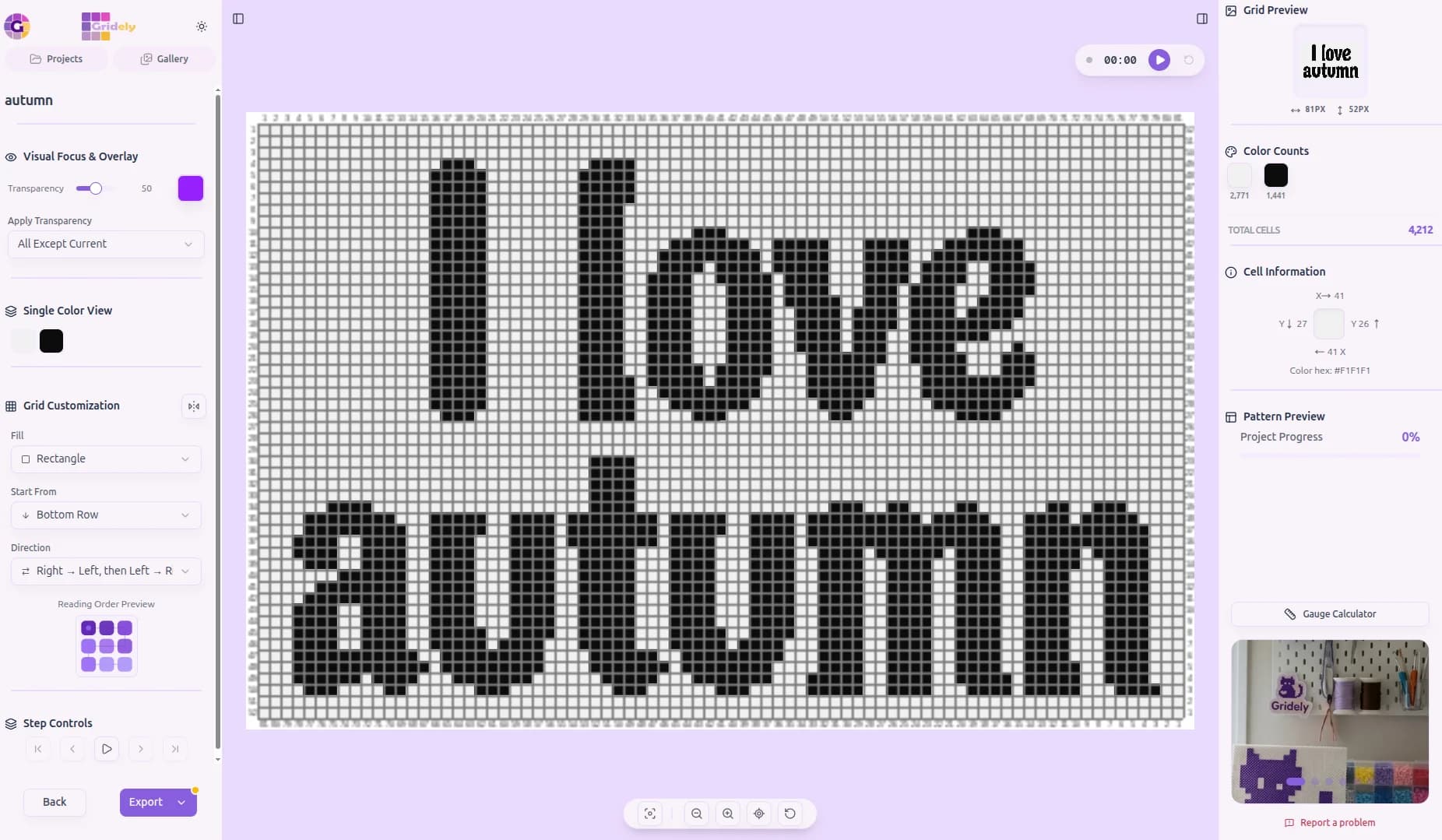
Start from a silhouette
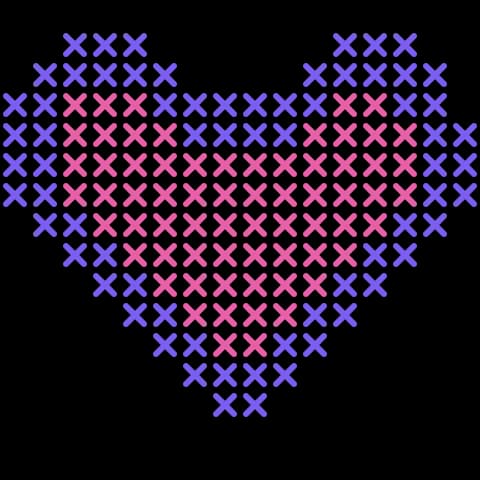
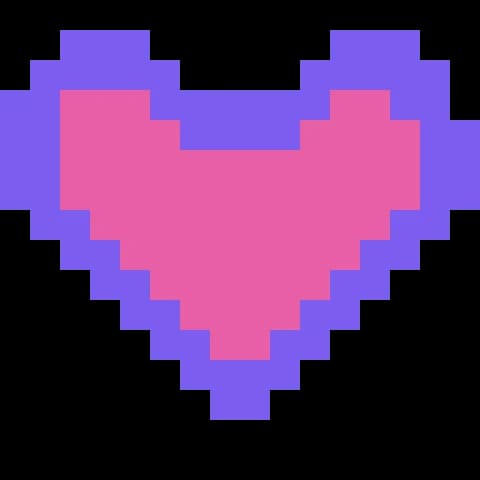
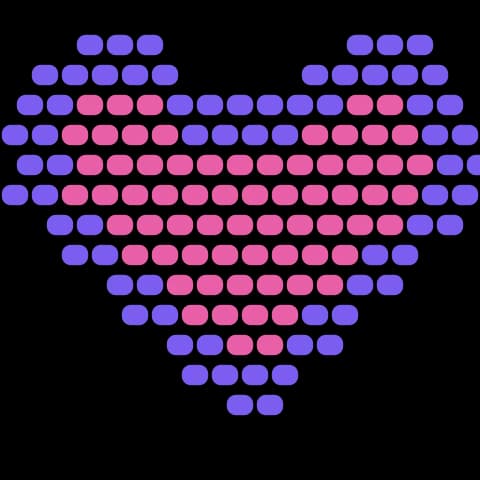
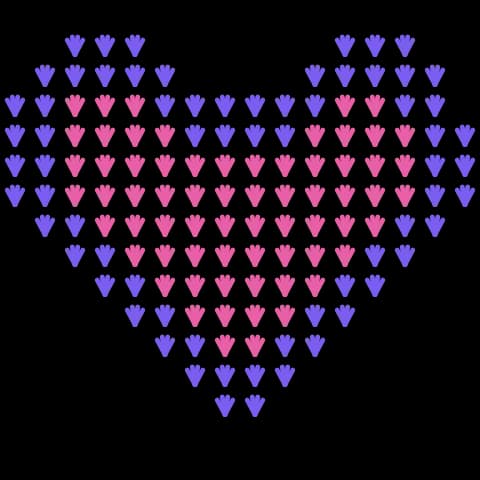
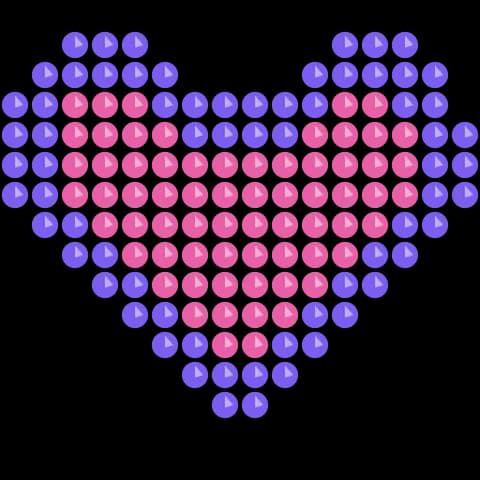
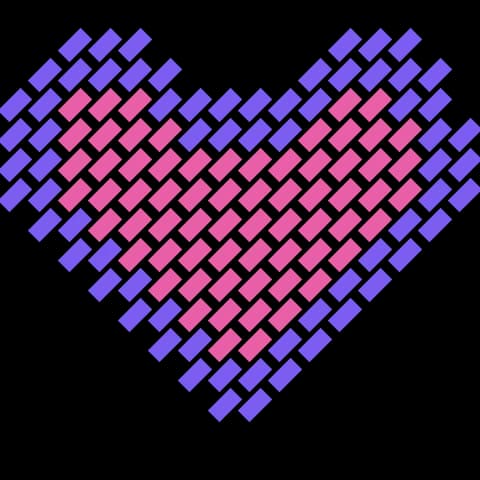
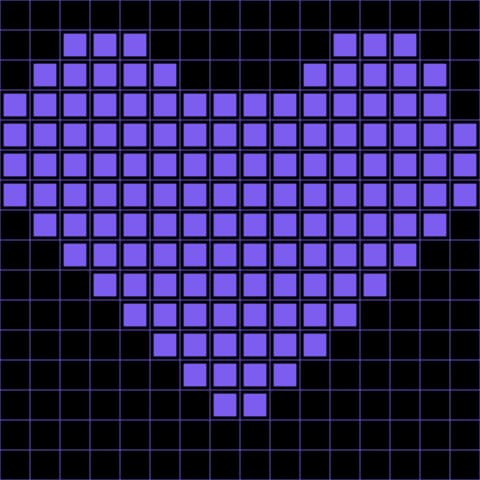
Filet can't show shading, only shape. Silhouettes, lettering, flowers and geometric borders work best. Convert pictures with exactly two colours and fix the outline by hand.
From squares to stitches
In the usual double-crochet filet, each square is three stitches wide and the edge adds one more, so a chart N squares wide needs a foundation of about 3 × N + 1 stitches, plus your turning chain. Check against your pattern's method, as conventions vary.
Mind the proportions
Filet squares are often slightly taller than wide, so the finished piece comes out a little taller than the chart. For lettering and circles, test a small swatch first.
Lettering in filet
Letters need room to read in mesh: plan on at least 5 to 7 squares of height, with one open square between letters and two between words. Simple block capitals hold up much better than script, whose thin strokes disappear into the mesh.
Working out the finished size
Square size depends entirely on your thread and hook, so measure before you commit. Crochet a swatch 10 squares wide and 10 tall, measure it, and scale up: if 10 squares come to 8 cm, a 60-square chart will be about 48 cm wide.
The gauge calculator in the editor does that arithmetic for you once you enter your swatch, and shows the finished size of the whole chart.