 Crochet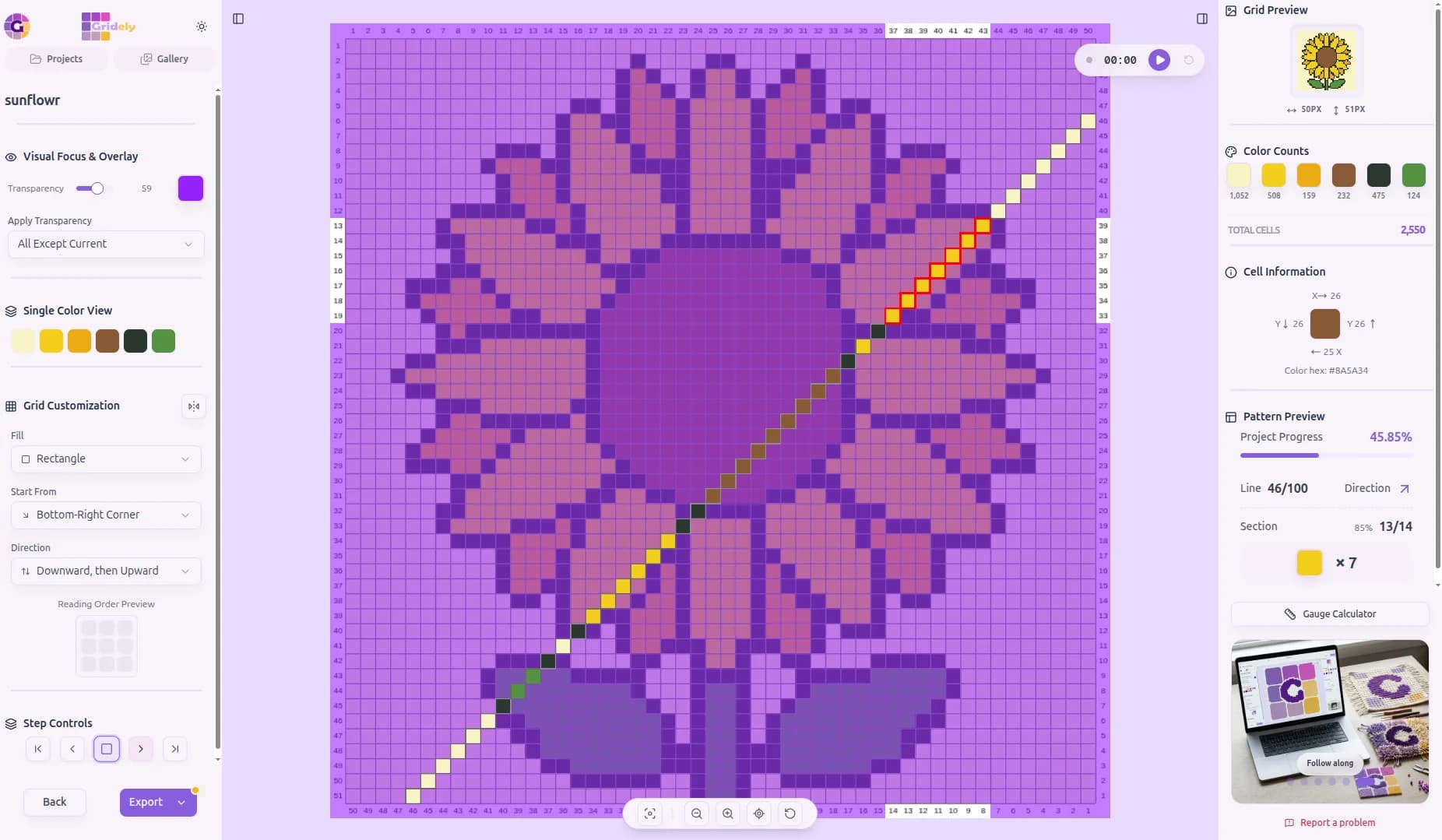
Corner to corner (C2C)
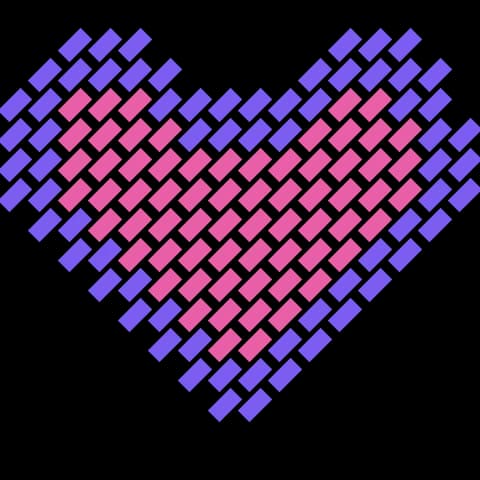
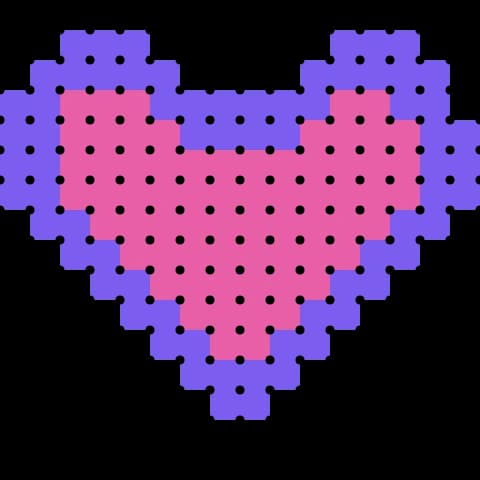
C2C builds the piece from small blocks of stitches worked on the diagonal, starting in one corner, increasing to the widest diagonal, then decreasing to the opposite corner. Each square of the chart is one tile. It is the most popular way to crochet a picture blanket because the tiles are close to square, so the design keeps its proportions.
With worsted-weight yarn and a 5 mm hook, a C2C tile is typically about 2.5 cm (1 in) across — so a 60 × 80 chart makes a blanket around 150 × 200 cm. Crochet a small swatch to check before you commit to a size.
Graphgans and single crochet charts
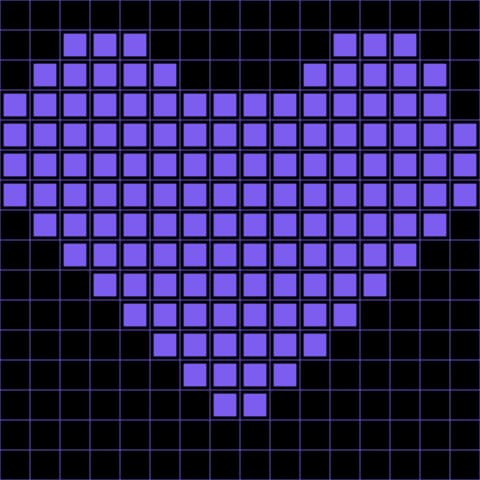
A graphgan is worked in rows of single crochet (or half-double), one stitch per square, turning at the end of each row. Read the chart back and forth: right to left on one row, left to right on the next. Single crochet stitches are slightly wider than they are tall, so a finished graphgan comes out a little squat compared with the chart.
Tapestry and filet crochet
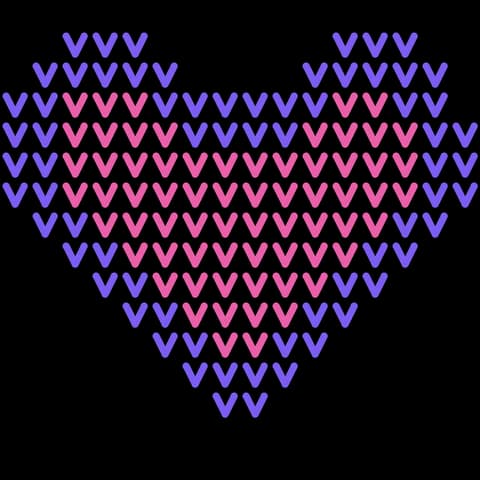
Tapestry crochet carries the unused colours inside the stitches, which suits dense, bold designs with two to four colours per row. Filet crochet uses only two states — filled block or open mesh — so it works from a two-colour chart; reduce your palette to two before exporting.
Keeping colour changes manageable
Each colour change is either a new bobbin (C2C, intarsia-style) or a carried strand (tapestry). Either way, a design with lots of isolated single squares is miserable to work. After converting a photo, look for lone squares and fold them into their neighbours — the picture will read just as well from across the room.