 Loom beading & square stitch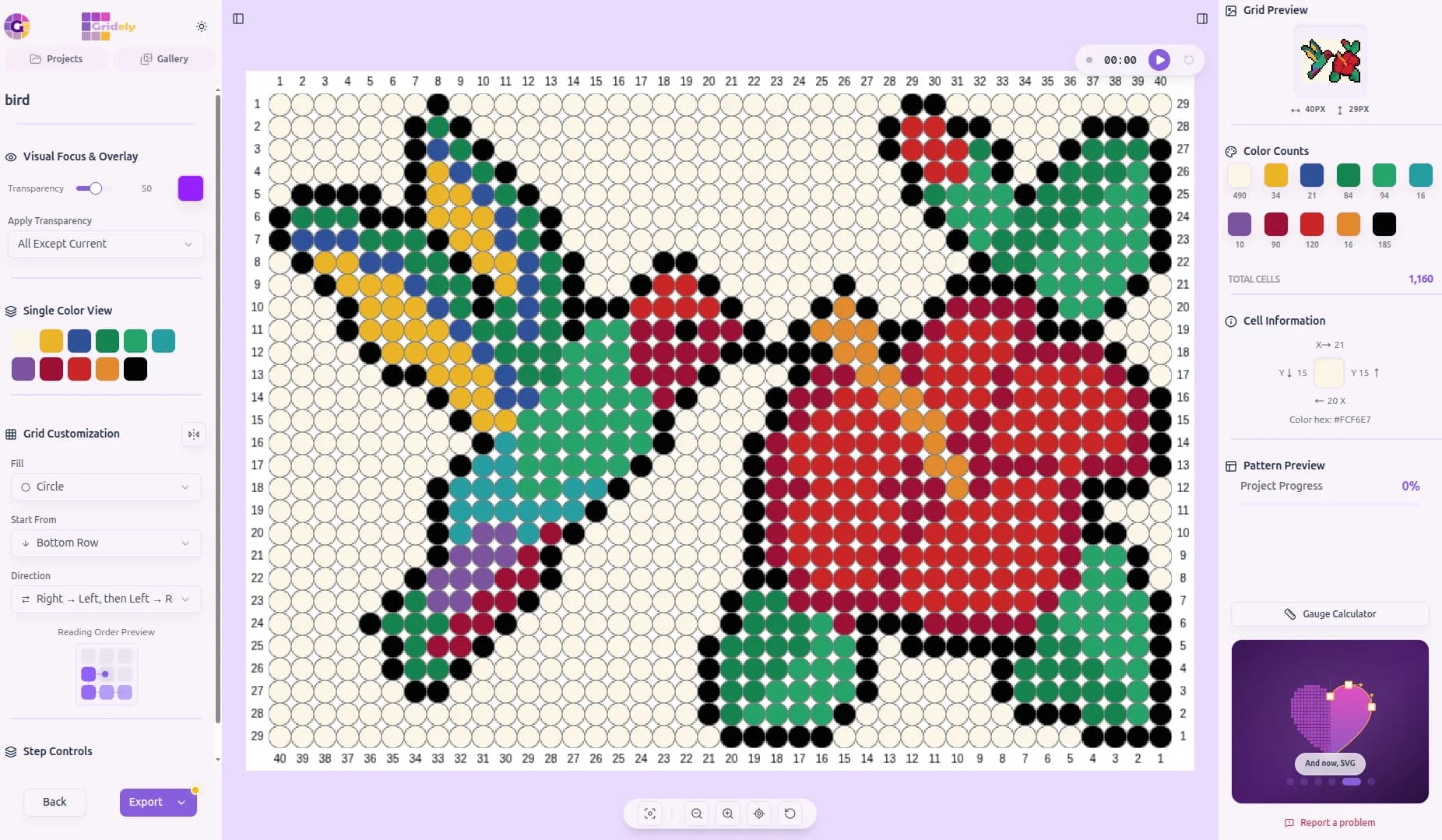
Beads aren't square
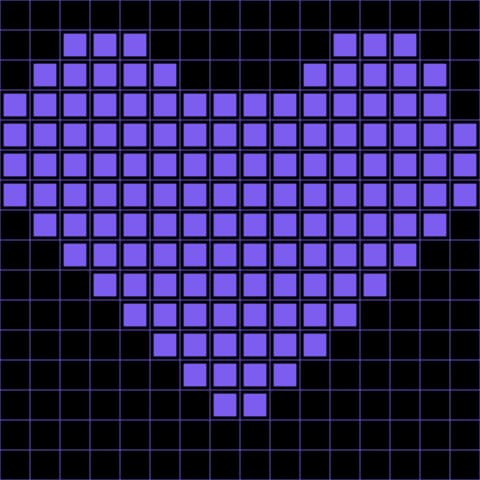
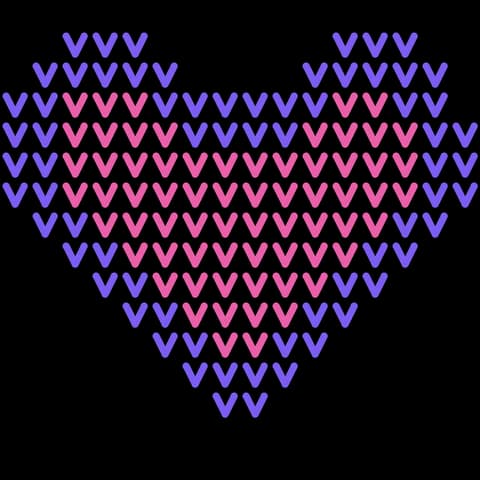
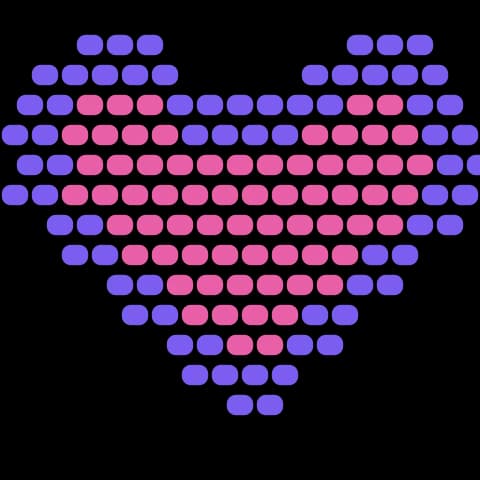
Most seed beads are slightly wider than they are tall, so a woven piece comes out a little shorter than the square-cell chart suggests. A circle drawn on the chart becomes a slightly flattened oval in beads. For shapes that must stay round, make them a few rows taller on the chart than they are wide.
Cylinder beads such as Delicas sit flatter and more evenly than round seed beads, which is why they are the usual choice for pictures and lettering.
Plan the width first
On a loom, the width of the design is fixed by the number of warp threads, and a bracelet rarely needs more than 7 to 15 beads across. Set that width before converting so the image is simplified to the detail it can actually hold. The table below gives approximate widths for common bead sizes.
Keep the palette small
Each colour is another tube to sort and another chance to pick the wrong bead. Most loom pictures work with 6 to 12 colours. After converting, remove single isolated beads and straighten the outlines by hand.
What about peyote and brick stitch?
Peyote and brick stitch offset every other row or column by half a bead. Gridely draws a straight grid, so it suits loom work and square stitch; a peyote design made here will need its alternate rows shifted when you stitch.
| Bead | Bead width | Finished width |
|---|---|---|
| 11/0 cylinder (Delica) | about 1.6 mm | about 16 cm (6.3 in) |
| 11/0 seed bead | about 2 mm | about 20 cm (7.9 in) |
| 8/0 seed bead | about 3 mm | about 30 cm (11.8 in) |